- Unifying XDR and SIEM capabilities into a single portal to optimize detection and response.
- Implementation of an agency-based security model where humans and AI collaborate in a shared environment.
- Simplified access to case management, workbooks, and automation via natural language.
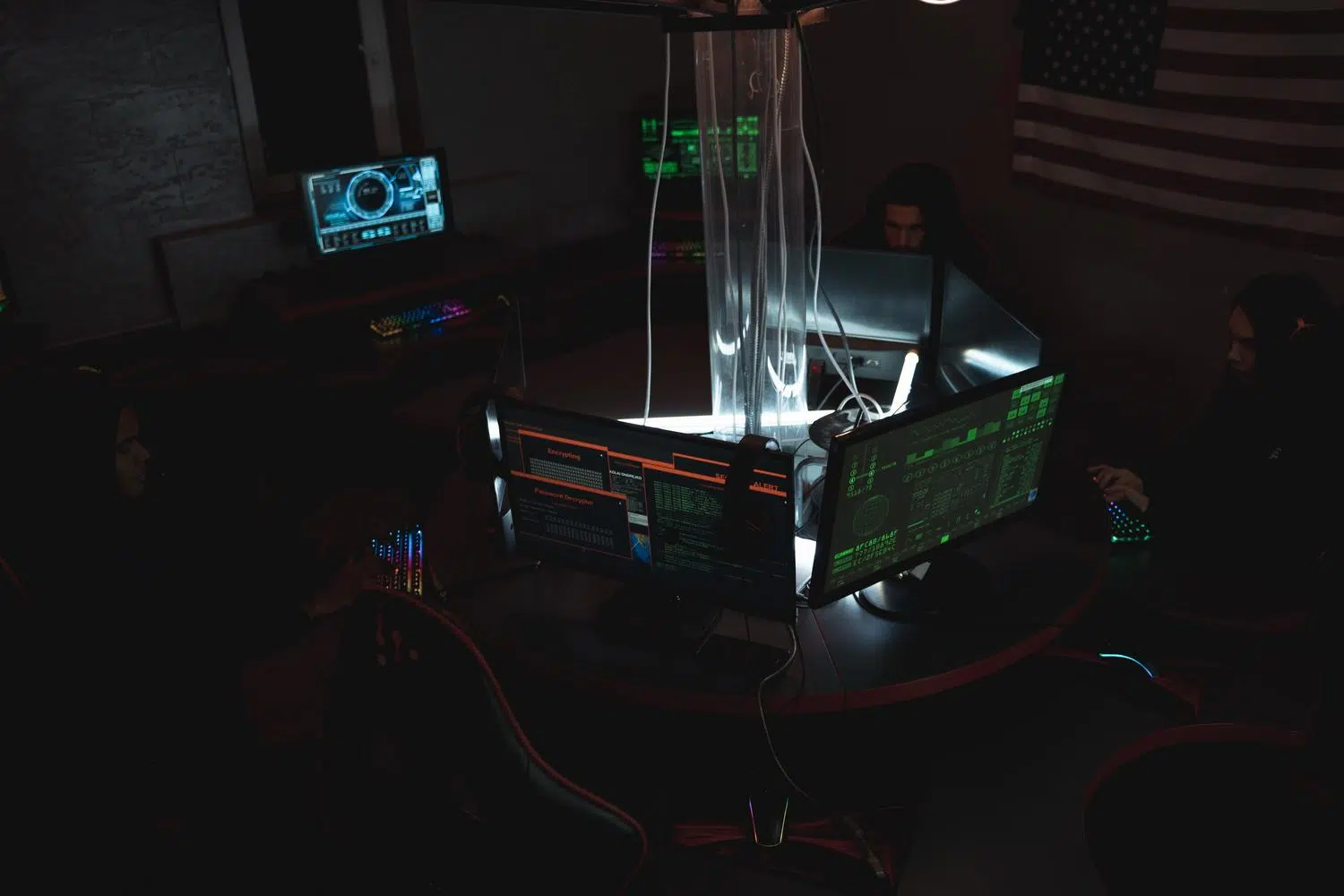
The reality of cybercrime has taken a radical turn. Attackers are now using artificial intelligence to launch threats at an unprecedented speed and scale . The problem is that many security operations centers remain stuck in the past, struggling with fragmented data and tools that don't communicate with each other, causing analysts to waste valuable time reconstructing the context of each attack.
To break this cycle, the Integrated Security Operations Center (ISOC) has been created within Microsoft Defender. It's not a new product you have to buy separately, but a powerful benefit that merges XDR, SIEM, threat intelligence, and automation. The idea is simple yet ambitious: to create a common foundation for agency security where people and AI agents work side-by-side to defend the organization seamlessly.
What exactly is ISOC and what does it bring to the board?

Essentially, ISOC is Microsoft's answer to operational fragmentation. Instead of jumping from one console to another, the security team has the entire protection and operations ecosystem integrated into the Microsoft Defender portal. This allows security signals, context, and workflows to be unified, dramatically accelerating incident response.
One of the biggest advantages is that it offers out-of-the-box SIEM capabilities. This means that eligible customers don't have to build a traditional SIEM deployment from scratch to start seeing operational value. Furthermore, visibility is enhanced by the ability to integrate a vast amount of external data through more than 500 available connectors , allowing non-Microsoft telemetry to also be part of the strategy.
The era of agency security and Project Perception

This is where things get interesting. Microsoft is proposing an agency-based security model . Imagine AI agents not only alerting you to problems, but also investigating incidents and taking defensive action using the same context as a human analyst. This is made possible by Project Perception , a multi-agent defense system where red, blue, and gray teams coordinate efforts to expose weaknesses and strengthen defenses.
This model breaks the traditional linear security workflow and creates an integrated protection loop . The system detects, predicts, and adapts while the attack is still happening, using threat intelligence to focus on what truly matters. Thus, the security professional ceases to be a "signal hunter" and becomes a strategist who applies judgment and sets priorities while AI handles the heavy lifting and repetitive tasks.
Key features and available tools

To ensure this isn't just empty words, ISOC includes very concrete tools that make life easier for the SOC operator:
- Case Management (Cases): A revamped experience that brings together AI-generated incidents, tasks, and summaries in one place, optimizing coordination between teams.
- Workbooks: Customized dashboards to monitor trends, measure KPIs, and have a real-time view of the health of operations.
- Playbooks in natural language: The ability to create automation flows simply by writing what you want to happen, eliminating the barrier of complex programming.
It's important to note that some features require the creation of an ISOC workspace . While case management is immediate, more advanced capabilities such as UEBA (User and Entity Behavior Analytics), CI/CD repository integration, or massive data ingestion require this specific environment linked to an Azure subscription.
Requirements, licenses and access

To participate in this feature, specific licenses are required. The benefit is available to those with Microsoft Defender Suite, Microsoft 365 E5, or E7 . A crucial detail is that, during the preview phase, it is targeted at customers who do not have an active Microsoft Sentinel workspace , as ISOC brings those capabilities directly to Defender.
Regarding data, Microsoft has improved retention. Initially, 30 days are offered, but the plan is to extend this to 90 days of retention, including data from Defender, Azure Activity, and Office 365. For those needing greater visibility, there is a pay-as-you-go (PAYG) model for ingesting non-Microsoft data, allowing visibility to scale according to business needs.
If you're already a Microsoft Sentinel user, there's no reason to panic or disconnect your production systems. Sentinel will continue to exist, and current customers will be able to migrate to ISOC later if they meet the licensing criteria, allowing them to evolve to this integrated model gradually.
The convergence of XDR and SIEM under a unified command and AI-powered agents paves the way for a central operations center where telemetry and action happen in the same place . By eliminating barriers between tools and automating investigations through agency models, organizations can finally fight attackers on their own turf, transforming the SOC into a continuous and adaptive defense machine.